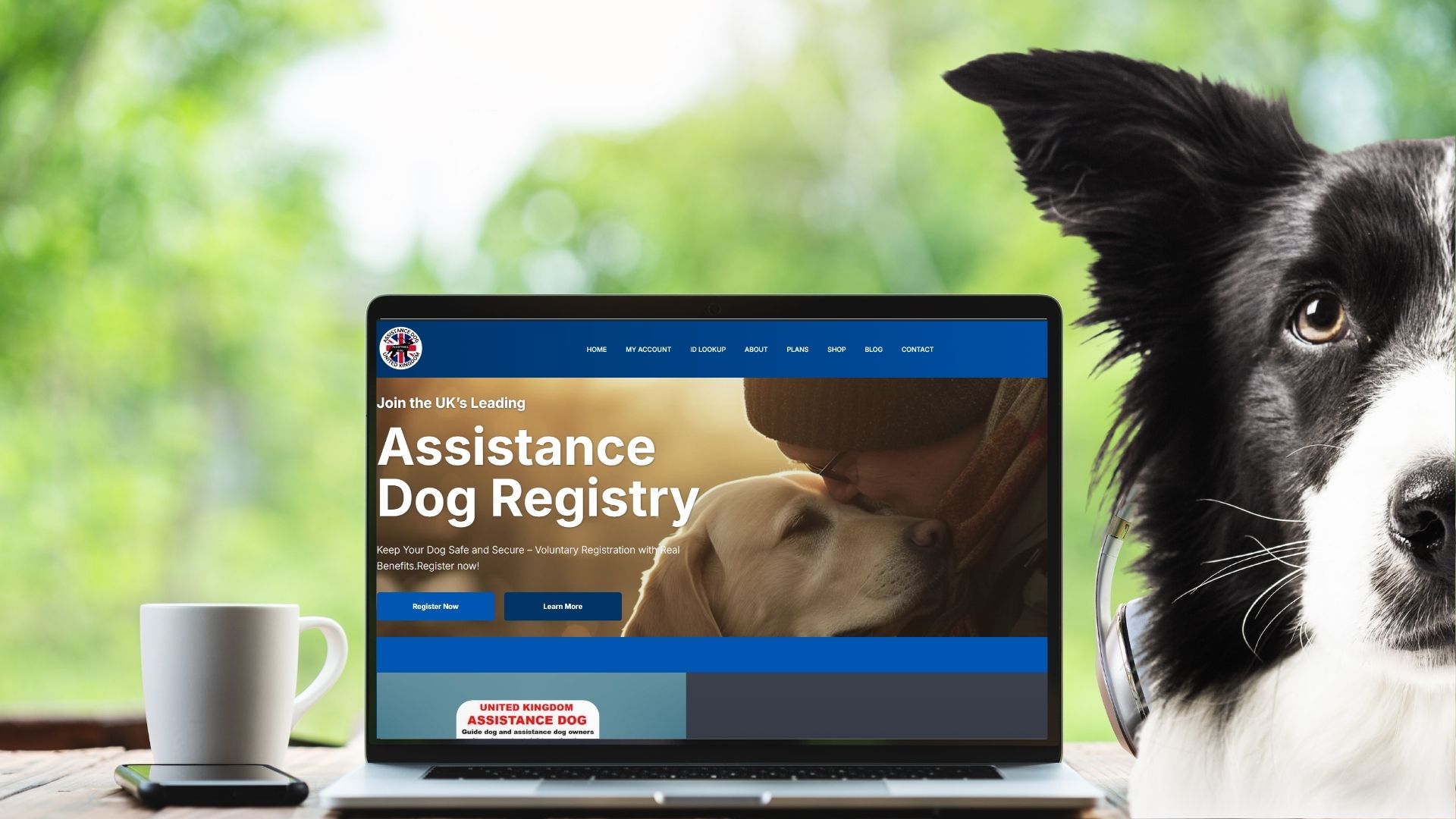
Why Every Assistance Dog Handler Needs These Letters
If you own an assistance dog, you’ve likely encountered situations where you needed to explain your rights. Whether it’s accessing public places, securing housing, or requesting accommodations at work, having the right documentation can make all the difference.
To help you, we’ve created three essential Assistance Dog Letter Templates that you can download and customize for your needs. These letters can:
✅ Ensure smooth public access experiences
✅ Help you request reasonable accommodations at work
✅ Prevent housing discrimination by landlords
1.1. Confirmation of Need for an Assistance Dog Letter
Many individuals with disabilities require an assistance dog for support in their daily lives, but they often face challenges when proving their legitimate need for one. A formal letter from a doctor can help validate this need and provide documentation that can be used when accessing public spaces, housing, and workplace accommodations.
This letter serves to:
- Confirm the medical necessity of an assistance dog based on the individual's condition.
- Support accessibility and accommodations in public places and housing situations.
- Help navigate potential challenges from landlords, employers, and businesses that may question the legitimacy of an assistance dog.
 Loading...

 Reload document
  Open in new tab
 2. Housing Accommodation Request Letter
Under UK law, landlords cannot refuse tenancy to someone simply because they have an assistance dog. However, some may not be aware of this, leading to unnecessary complications. This letter:
- Cites the relevant legal protections for assistance dog owners
- Requests reasonable accommodation from the landlord
- Provides a professional and structured format to increase effectiveness
Loading...
3. Workplace Accommodation Request Letter
If you need to bring your assistance dog to work, this letter helps you formally request accommodations under the Equality Act 2010. It includes:
- A formal request for workplace adjustments
- An explanation of how the assistance dog supports your daily functions
- Legal references supporting your rights
Loading...
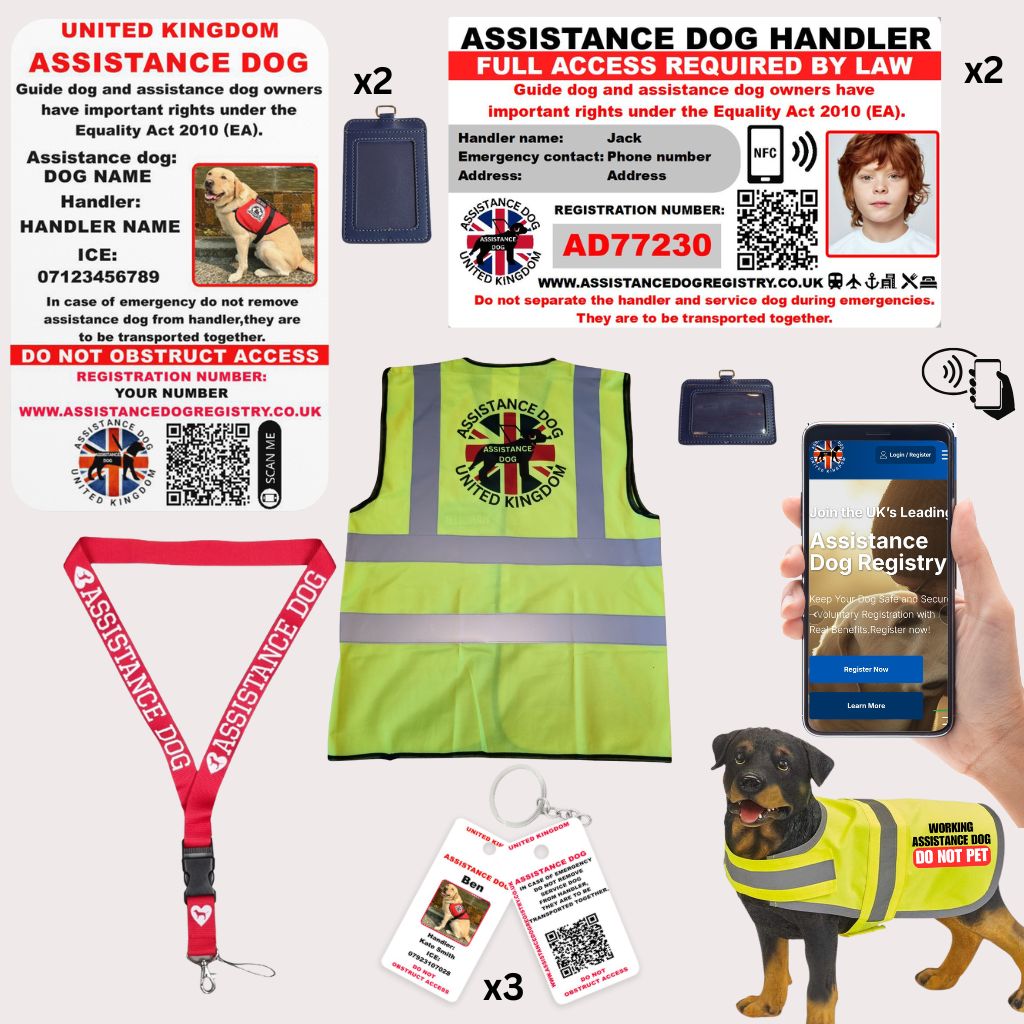
🎟️ Sign Up for the Lifetime Package Today
How to Use These Templates
- Customize the template with your name, dog’s details, and any specific requirements.
- Print or email the letter when needed.
- Keep a copy with you for reference in case of disputes.
Having the right documents on hand can save you time, frustration, and unnecessary legal challenges.
🔹 Need more assistance? Consider upgrading to our Lifetime Package, which includes additional resources, ID cards, and ongoing support.
Help Others – Share This Resource!
If you found these templates useful, share this post with other assistance dog handlers who may need them. Let’s work together to ensure equal access and fair treatment for all!
Ready to learn more about how the Assistance Dog Registry can support your partnership?
Learn more about our Lifelong Partner Package
FAQ
1. What is an assistance dog?
An assistance dog is trained to perform specific tasks to aid individuals with disabilities, enhancing their independence and quality of life.
2. Why is socialization important for assistance dogs?
Proper socialization ensures assistance dogs remain calm, focused, and well-behaved in various public settings, enabling them to perform their duties effectively.
3. At what age should I start socializing my assistance dog?
It's beneficial to begin socialization during puppyhood; however, with patience and consistent training, dogs of any age can learn to navigate public environments confidently.
4. How long does it take to socialize an assistance dog?
The duration varies based on the dog's temperament, previous experiences, and the consistency of training. Regular, positive exposure to different environments is key.
5. Can I socialize my assistance dog if they are older?
Yes, older dogs can be socialized successfully. While it may require more time and patience, with positive reinforcement, they can adapt to new situations.
6. What should I do if my assistance dog shows fear in public?
If your dog exhibits fear, calmly remove them from the situation and gradually reintroduce the stimulus at a comfortable distance, rewarding calm behavior.
7. How do I handle public distractions during training?
Teach focus commands like "watch me" to redirect your dog's attention. Gradual exposure to distractions, paired with positive reinforcement, can improve focus.
8. Are there specific public places ideal for socialization?
Begin with quiet areas like parks, then progress to busier environments such as cafes, public transport, and shopping centers as your dog becomes more comfortable.
9. How can I ensure my assistance dog behaves appropriately around other animals?
Controlled introductions and rewarding calm behavior are essential. Consistent training helps your dog remain focused on their tasks, even around other animals.
10. What are the legal requirements for assistance dogs in public places?
In many regions, assistance dogs are permitted in public areas to support their handlers. It's important to familiarize yourself with local laws and regulations regarding assistance dogs.